
"tropical climate"
3000 article(s) found

Introduction to the description and treatment of Grinding degree and Flavor in El Salvador Himalayan Coffee area
The topography here is mainly mountainous and plateau, with many volcanoes. Savanna climate. The plain area belongs to the tropical rain forest climate and the mountain area belongs to the subtropical forest climate. The average annual temperature is 25-28 ℃, and the annual precipitation is more than 1800 mm in mountainous areas and about 1000 mm in coastal areas. It is rich in water resources, short and swift rivers and volcanic lakes. El Salvador's coffee accounts for 40% of the country's exports.

Introduction to the taste characteristics of coffee flavor description and grinding treatment in Renas Manor in El Salvador
The topography here is mainly mountainous and plateau, with many volcanoes. Savanna climate. The plain area belongs to the tropical rain forest climate and the mountain area belongs to the subtropical forest climate. The average annual temperature is 25-28 ℃, and the annual precipitation is more than 1800 mm in mountainous areas and about 1000 mm in coastal areas. It is rich in water resources, short and swift rivers and volcanic lakes. El Salvador's coffee accounts for 40% of the country's exports.

Rwanda coffee is good to drink?_Rwanda coffee beans variety introduction_Rwanda refugees drink coffee?
Professional coffee knowledge exchange More coffee bean information, please pay attention to coffee workshop (Weixin Official Accounts cafe_style) Rwanda, the country of thousands of hills, the whole territory is mountainous and plateau, most areas belong to tropical plateau climate and savanna climate, mild and cool. With its high altitude and fertile volcanic soil, the country's fertile soil and favorable climate are conducive to plant growth,

Introduction to the fragrant Ecuadorian Coffee Flavor and the Fine Coffee in the Manor area
Ecuador is divided into the western coast, the central mountains, the eastern Amazon River basin and the four central regions of the Galapagos Islands, with diverse climatic conditions. The western coastal plain belongs to the tropical rain forest climate, with an average temperature of 23-25 ℃. The central Andes. The intermountain basin in this area belongs to the savanna climate, and the mountain belongs to the subtropical forest climate, with perennial snow above 4000 meters above sea level. Annual average decline

Arabica coffee bean price producing area species flavor description taste characteristics
Arabica coffee bean price producing area species flavor description taste characteristics 1. Suitable climate: in the area between Tropic of Cancer and Tropic of Cancer, the climate is hot and humid or hot but not dry, sufficient Rain Water, the temperature is between 15 and 25 degrees Celsius; 2. The soil is thick, hard, permeable, well irrigated and well drained. The best land is in the mountains, especially on the hillside, preferably

El Salvador coffee producing area with subtropical forest climate
Savanna climate. Plain area belongs to tropical rain forest climate, mountain area belongs to subtropical forest climate. The annual average temperature is 25-28℃, the annual precipitation in mountainous areas is more than 1,800 mm, and that in coastal areas is about 1000 mm. May-October is the rainy season. Don't underestimate El Salvador's coffee production. In its heyday, it was the world's fourth-largest coffee producer, but decades of civil war nearly brought coffee down.

Introduction of high-quality coffee beans with special flavor in Dominican coffee producing areas
The earliest coffee in Dominica was introduced from Martinique (the overseas province of France), dating back to the early 18th century. Dominica is an island country with a tropical climate. The temperature changes little throughout the year. Except for the lower temperature in the Central Cordillera Mountains, which can reach less than 0 ℃ in winter, the annual average temperature in other areas is between 25 and 30 ℃, which is affected by the mountain topography.

A brief introduction to the climatic characteristics of coffee in El Salvador
Climate characteristics, savanna climate. The plain area belongs to the tropical rain forest climate and the mountain area belongs to the subtropical forest climate. The average annual temperature is 25-28 ℃. The annual precipitation is more than 1800 mm in mountain areas and about 1000 mm in coastal areas. The rainy season is from May to October. Don't underestimate El Salvador's coffee production. In its heyday, it was the world's fourth largest coffee producer, but after decades of civil war, it was almost

Introduction to the characteristics of Tanzania Coffee Flavor and Taste varieties
The eastern coastal areas and inland lowlands of Tanzania have a savanna climate, while the western inland plateau has a tropical mountain climate, with an average temperature of 21-25 ℃ in most areas. More than 20 islands in Zanzibar have a tropical maritime climate, hot and humid all the year round, with an annual average temperature of 26 ℃. [6] rainfall types can be divided into bimodal distribution and unimodal distribution. Areas with double bee distribution of rainfall include
Areas and conditions suitable for growing coffee | how to grow Arabica coffee?
Professional coffee knowledge exchange more coffee bean information Please pay attention to the coffee workshop (Wechat official account cafe_style) Coffee planting areas and conditions since the coffee-producing countries we often come into contact with are tropical and subtropical climates between the Tropic of Cancer and Cancer, some people may take it for granted that coffee grows in the high temperature tropics, but in fact, coffee is usually planted.

A brief introduction to the origin, development, history and culture of Santo Domingo boutique coffee beans with intertwined aftertaste
Dominica coffee is mainly produced in areas such as Cibao in the Central Mountains, the Caribbean and Barahona. There are many large estates in Siwao, and coffee trees are planted with 75% Kaddura and 25% Tibica. In terms of varieties, Baraona is the region with a high proportion of Tibika seeds.

Nicaraguan Hope Manor Alexandria small Farmer's introduction to washed Fine Coffee
Professional coffee knowledge exchange more coffee bean information please follow the coffee workshop (Wechat official account cafe_style) front street-Nicaragua Hope Manor Alexandria small farmers washing introduce Nicaragua's climate the eastern plain is high-temperature and rainy, belonging to the tropical oceanic climate, many volcanoes and lakes. In the coastal lowlands of the west, the precipitation is obviously less than that of the east, and there are dry and wet seasons, so it belongs to tropical grass.

Which brand of Blue Mountain coffee tastes good?
Generally speaking, south of the Tropic of Cancer and north of the Tropic of Cancer, this area is suitable for growing coffee, called the coffee belt. Jamaica is just south of the Tropic of Cancer. The blue mountain is steep, the air is fresh, there is no pollution, it rains all the year round, and there is a great temperature difference between day and night, which has a unique and fertile new volcanic soil. Most importantly, every afternoon, clouds cover the whole mountain area, not only for coffee trees

The coffee beans from that coffee farm are better than those from Ladisha Manor.
Located in the tropics, there are many volcanoes in the territory, the northern and eastern coastal plains have a tropical rain forest climate, and the southern mountains have a subtropical climate. The year is divided into two dry and wet seasons, with the wet season from May to October and the dry season from November to April of the following year. The annual precipitation is 2000-3000 mm in the northeast and 500-1000 mm in the south. Forests account for half of the country's area and are the best latitude for coffee production.

Dominica Coffee Flavor description Grinding treatment characteristics introduction to the taste of high-quality coffee beans
The earliest coffee in Dominica was introduced from Martinique (the overseas province of France), dating back to the early 18th century. Dominica is an island country with a tropical climate. The temperature changes little throughout the year. Except for the lower temperature in the Central Cordillera Mountains, which can reach less than 0 ℃ in winter, the annual average temperature in other areas is between 25 and 30 ℃, which is affected by the mountain topography.

The taste of coffee
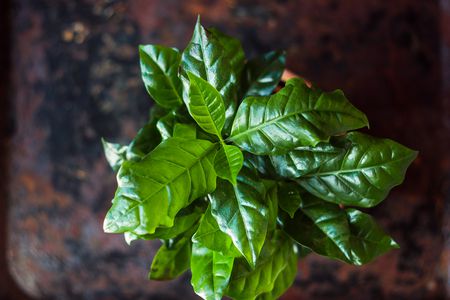
Coffee trees are very similar to laurel and usually grow between the Tropic of Cancer and the Tropic of Cancer. A coffee tree usually grows for about three to four years before it begins to bear fruit. The fruit is a red berry, which is dried and the pulp is removed to separate the coffee beans. There are shadows of coffee beans all over the world, and they can grow as usual as long as the climate is right. These are suitable for cultivating coffee.

Introduction to the quality and taste characteristics of Yunnan Tieka coffee bean flavor description treatment
Yunnan coffee beans introduce that the quality of coffee depends on the environment, climate, cultivation and management techniques and other factors. Its excellent growth environment is low latitude, high altitude, sufficient rainfall and suitable sunshine, so the north latitude is 15. The ideal growing area for coffee is between the Tropic of Cancer and the Tropic of Cancer. Our planting base in Yunnan is located at 23 ℃ north latitude and 99 ℃ east longitude. The base is 1230 meters above sea level and high.

Coffee planting zone and climate coffee tree planting environment and coffee growing area
Professional coffee knowledge exchange more coffee bean information Please pay attention to the coffee workshop (Wechat official account cafe_style) Coffee trees grow in the tropics between the Tropic of Cancer and the Tropic of Cancer and near the equator, also known as the world coffee growth belt, caffeine varieties and regional factors, there are also great differences in appearance. The color of leaves ranging from yellowish green to dark green or even brass.

A brief introduction to the flavor, taste and aroma characteristics of Santo Domingo coffee beans with excellent acidity
Turning to the introduction of Dominican coffee, the most distinctive features are fresh and elegant, full of particles, excellent acidity and pleasant flavor (two colleagues agree with this). Coffee in Dominica varies slightly in taste according to the altitude of the region where it is grown, with sour but rich taste in the highlands, and less sour and smoother taste in the lowlands. And some Dominican villages
About Coffee History Origin Culture and Spread
Coffee tree, is a tropical plant, evergreen shrubs, growing in the equator, north and south latitude 25 degrees each, that is, within the Tropic of Cancer region. The tropical tropics and the equator are the world coffee growing belt. The growing conditions require abundant rainfall and humid climate. The suitable altitude is about 600~1500 meters. The annual rainfall is 1500~2000 mm. Mild days alternate with cool nights.